
How Slot Machines Work Behind Spinning Reels
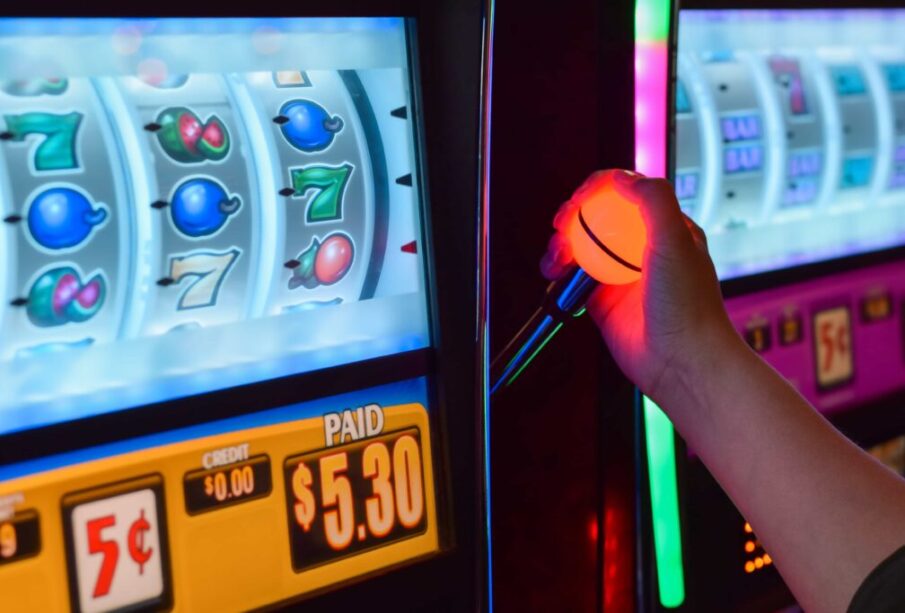
Slot machines appear simple on the surface. A player presses a button, the reels spin, and symbols land in combinations that determine wins or losses. Behind this familiar motion lies a sophisticated system powered by software algorithms, probability models, and regulated payout structures.
Understanding how slot machines actually work helps players separate myths from reality and make more informed decisions about gameplay.
The Core Components of a Slot Machine
Modern slot machines combine physical hardware with digital logic. Each spin is the result of several interacting components working in milliseconds.
Random Number Generator
The most important part of any slot machine is the Random Number Generator, often called the RNG. It continuously produces thousands of number combinations every second, even when nobody is playing.
When a player presses spin:
- The RNG instantly selects a number
- That number corresponds to a symbol position
- The reels display the matching outcome
This process ensures that every spin is independent and unpredictable.
Virtual Reels
Traditional slot machines once relied entirely on mechanical reels. Today’s machines mostly use virtual reels.
Virtual reels allow developers to:
- Increase symbol combinations
- Control payout frequency
- Add bonus mechanics
- Design multiple paylines
Even if a machine shows three physical reels, the underlying system may simulate dozens of virtual positions per reel.
Paylines and Symbol Mapping
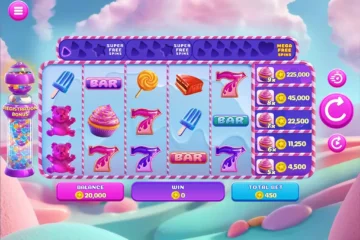
A payline is the path where symbols must align to generate a win. Older machines used a single horizontal line. Modern slots may contain hundreds.
Each symbol is assigned:
- A frequency value
- A probability weight
- A payout multiplier
Rare symbols appear less often but offer larger rewards.
What Happens When You Press Spin
A spin feels simple but involves several rapid steps behind the scenes.
Here is what actually occurs:
- The RNG selects a number instantly
- The machine converts that number into reel positions
- Virtual reels determine the displayed symbols
- The outcome is finalized before reels stop spinning
- The display animation reveals the predetermined result
This means the final outcome is decided the moment the spin button is pressed, not when the reels stop.
Understanding Return to Player Percentage
Every slot machine operates using a built-in statistical model called Return to Player, or RTP.
RTP represents the theoretical percentage of wagered money that returns to players over time.
For example:
- A machine with 96 percent RTP returns 96 units for every 100 wagered over long-term play
- The remaining percentage represents casino profit margin
Important points to remember:
- RTP applies over thousands or millions of spins
- Short sessions may produce very different results
- Higher RTP generally means better long-term expectations
Volatility and Why Wins Feel Different
Slot machines vary not only in payout percentage but also in volatility, sometimes called variance.
Low volatility slots:
- Offer frequent small wins
- Provide longer playtime
- Reduce risk swings
High volatility slots:
- Deliver fewer wins
- Offer larger jackpot potential
- Create bigger balance fluctuations
Volatility shapes player experience even when RTP remains similar.
The Role of Software Algorithms
Modern slot machines run on certified gaming software tested by independent regulators. These systems ensure fairness through:
- encrypted RNG algorithms
- payout tracking
- probability validation
- compliance audits
The algorithm determines:
- symbol frequency
- bonus triggers
- jackpot probability
- free spin activation timing
Because of these safeguards, outcomes cannot be altered during gameplay.
Bonus Features and Special Mechanics
Modern slot machines include advanced features designed to increase engagement.
Common examples include:
Wild Symbols
Wild symbols substitute for others to complete winning combinations.
Scatter Symbols
Scatter symbols usually trigger bonus rounds or free spins regardless of position.
Multipliers
Multipliers increase payout value by factors such as 2x, 3x, or higher.
Progressive Jackpots
Progressive jackpots grow as players place bets across connected machines until one player wins the accumulated prize.
Why Near Misses Happen
Players often notice situations where reels almost form a winning combination. These are called near misses.
They occur because:
- symbol placement follows probability mapping
- virtual reel weighting creates visual suspense
- display animation reveals outcomes gradually
Near misses do not indicate future wins. Each spin remains statistically independent.
Regulation and Fairness Testing
Licensed slot machines undergo strict certification before entering casinos or online platforms.
Testing organizations evaluate:
- randomness accuracy
- payout percentage compliance
- algorithm fairness
- security integrity
Machines must meet regulatory standards before approval for public use.
Common Myths About Slot Machines
Several persistent myths influence player expectations.
Here are the most common misunderstandings:
Machines do not become due for wins
Each spin is independent of previous results.
Timing strategies do not change outcomes
Pressing spin faster or slower has no effect on probability.
Casinos cannot secretly adjust individual machines mid-session
Certified machines operate under fixed configurations approved by regulators.
Understanding these facts improves transparency around gameplay behavior.
FAQ Section
Are slot machines completely random
Yes. Certified machines rely on continuously operating random number generators that produce unpredictable outcomes for every spin.
Can casinos control when jackpots happen
No. Jackpot triggers are determined by programmed probability structures within regulated software systems.
Do higher bets increase chances of winning
Higher bets increase payout size but usually do not change base probability unless a progressive jackpot requires maximum betting eligibility.
Why do reels spin if the result is already decided
Reel animations exist to create visual engagement. The outcome is determined instantly when the spin button is pressed.
Are online slot machines different from casino floor machines
Both rely on RNG systems and certified algorithms, though their interfaces and bonus features may vary.
What does hit frequency mean in slot machines
Hit frequency refers to how often a machine produces any type of winning combination, not necessarily profitable outcomes.
Can slot machines detect player behavior
Modern machines track gameplay data for analytics and security purposes, but they do not change outcomes based on individual player actions.